
What Is a Smokeless Incineration Furnace?
How smokeless incineration furnaces work, why high combustion temperature matters, and which sectors rely on this technology.
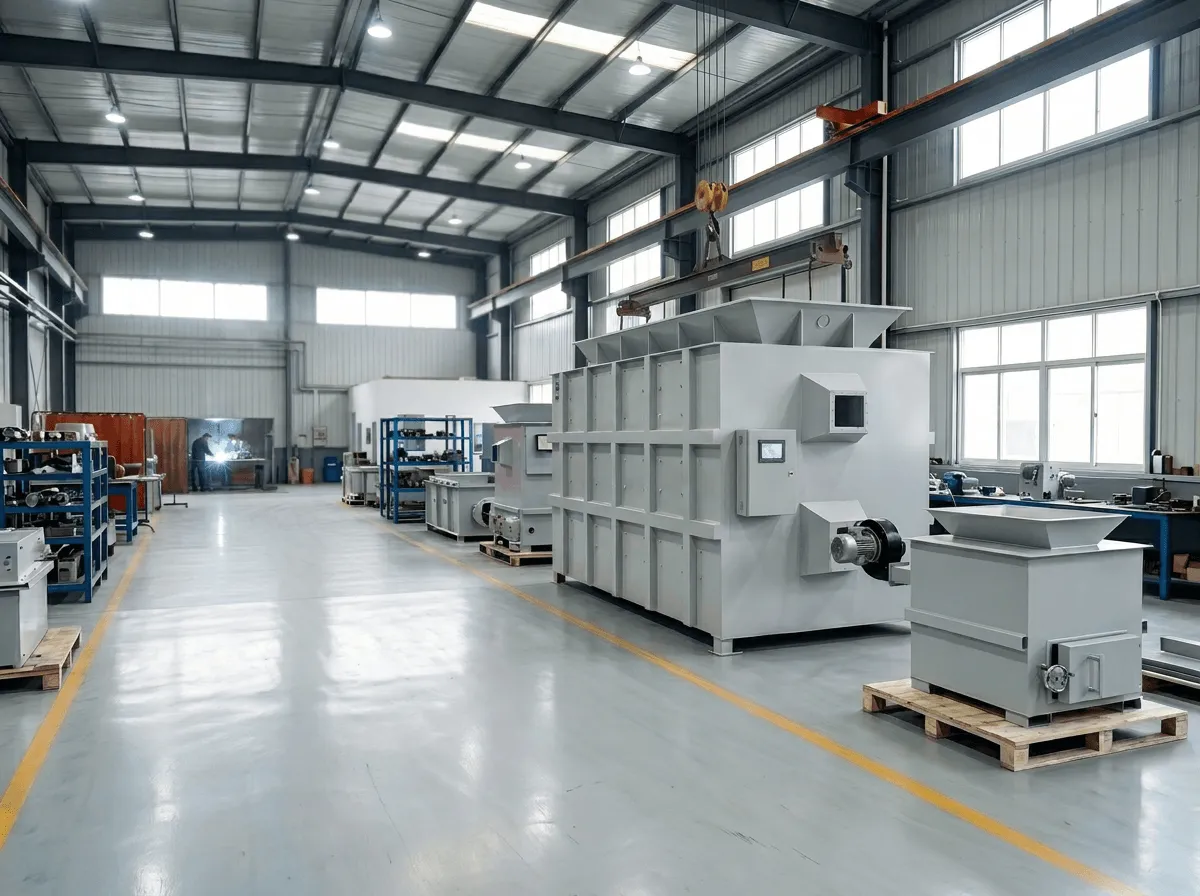
Solid waste disposal is a recurring challenge for scrap yards, industrial facilities, municipalities, and medical waste producers. Open burning or low-temperature incineration creates visible smoke, odor, and incomplete combustion — all of which raise environmental and regulatory concerns. Smokeless incineration furnaces address this by combining high combustion temperature with controlled airflow.
How It Works
A smokeless incineration furnace burns solid waste at temperatures exceeding 1000°C inside a closed steel combustion chamber. At this temperature, organic material combusts more completely, leaving behind minimal visible smoke and reducing odor. An integrated fan motor system supplies the airflow needed to sustain combustion, while the smoke stack connection safely vents the resulting gases.
Why High Temperature Matters
Incomplete combustion at lower temperatures is what produces dense, visible smoke and unburned particulates. By maintaining a stable temperature above 1000°C, the furnace ensures a much more thorough breakdown of waste material — this is the core reason these systems are described as “smokeless.”
Manual vs. Automated Control
Incineration furnaces are generally available in two configurations:
- Manually controlled units — compact, economical furnaces suited for basic, lower-volume waste disposal needs (e.g. around 100 kg/hour burning capacity).
- Fully automated units — equipped with an electronic control panel and PLC automation, designed for continuous operation and higher throughput (e.g. around 300 kg/hour), with automatic temperature control and digital monitoring.
Who Uses Smokeless Incineration
- Scrap yards — disposing of mixed waste such as cable insulation and rubber residue
- Industrial facilities — managing solid waste generated during production processes
- Municipalities — handling solid waste from residential areas with an environmentally conscious, cost-effective method
- Medical waste producers — safely destroying medical waste at the high temperatures required for proper disposal
Conclusion
Smokeless incineration combines high-temperature combustion with controlled airflow to deliver a cleaner, more reliable way to dispose of solid waste than open burning. Contact us to find the right furnace configuration for your facility’s waste volume and operating requirements.