
Occupational Safety in Waste Disposal
Key precautions that protect facility staff and the main risk points to watch for when operating incineration furnaces.
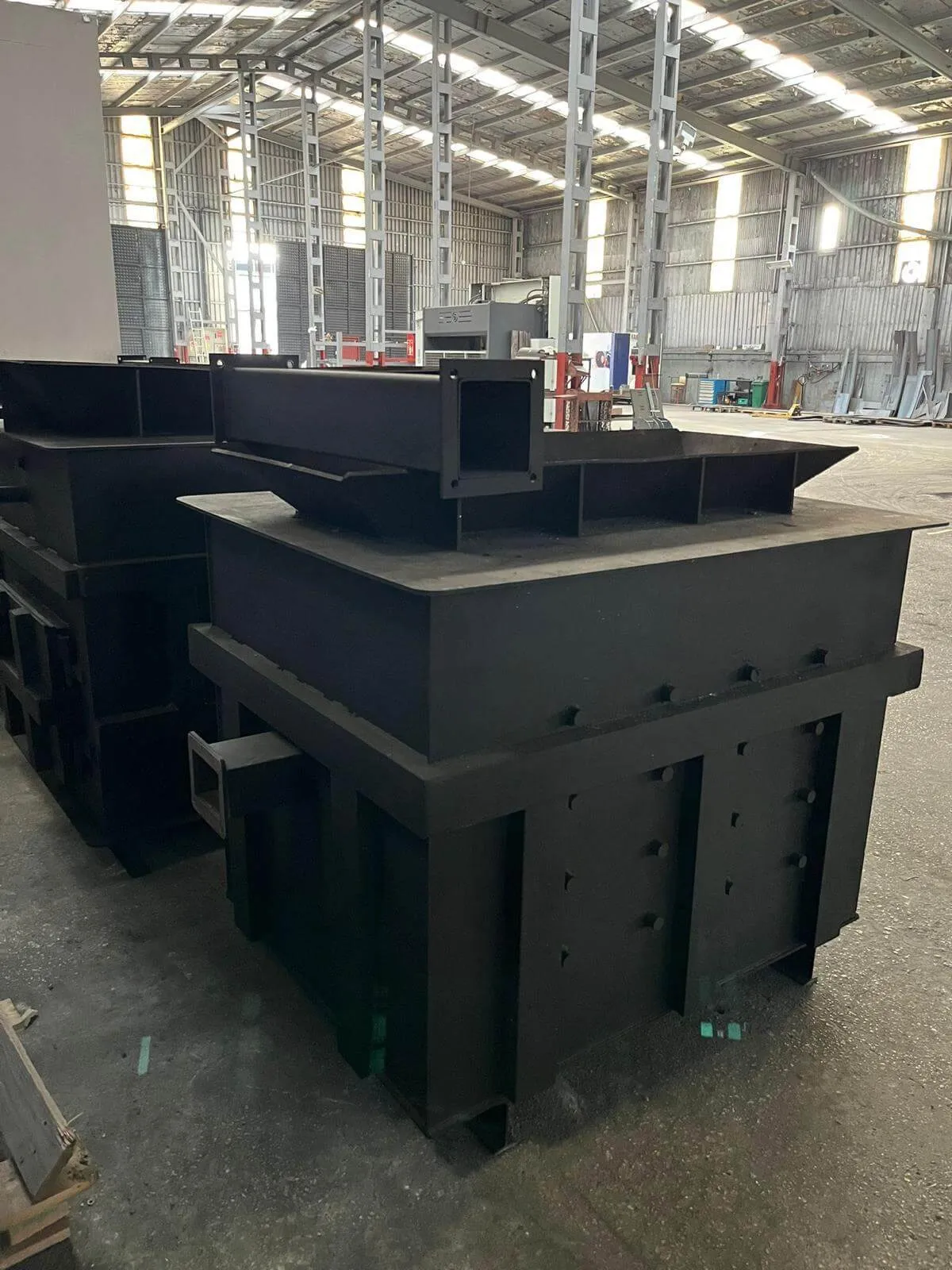
Waste disposal using incineration furnaces involves high temperatures, combustible material, and mechanical equipment operating together. For this reason, the safety of facility staff must be a priority at every stage of the process. Below are the key points to keep in mind when ensuring occupational safety in waste disposal.
Personal Protective Equipment (PPE)
Staff working around the furnace must consistently use appropriate personal protective equipment, including heat-resistant gloves, face/eye protection, a respirator mask, and suitable work clothing. Heat and smoke exposure is highest when the furnace door is opened to load waste.
Precautions Against Burn Risk
The furnace’s exterior surface and smoke stack connection reach high temperatures during operation. These areas should be clearly marked with warning signage, access should be restricted to authorized personnel only, and barriers should be used to reduce the risk of direct contact with hot surfaces.
Safe Waste Loading
Flammable, explosive, or pressurized containers (such as sealed cylinders or aerosol cans) must never be loaded into the furnace; such materials should be sorted out and directed to separate disposal methods. A visual inspection before loading reduces the risk of unexpected explosions or flashback.
Controlling Smoke and Gas Exposure
While smokeless incineration furnaces achieve more complete combustion at high temperature, brief smoke or gas exposure can still occur near the stack and at loading points. Facilities should ensure adequate ventilation, use gas detectors where needed, and make sure staff are informed about respiratory protection.
Equipment Maintenance and Periodic Inspection
Regularly inspecting the fan motor, control panel, safety valves, and stack connection both extends equipment life and reduces safety risks. A faulty or worn part can lead to an unexpected leak or overheating.
Training and Emergency Procedures
All staff working at the facility should be regularly trained on proper furnace operation, emergency shutdown procedures, and the location of fire suppression equipment. A clear emergency response plan — covering scenarios such as fire, burns, or gas leaks — should be in place and known to everyone on site.
Conclusion
Occupational safety in waste disposal is achieved through the right protective equipment, careful loading procedures, regular equipment maintenance, and ongoing staff training. Contact us for safety and operating guidance tailored to your facility.